What should a small shop do when tracking says delivered but the customer disputes the charge?
A delivery scan feels like proof, but issuing banks weigh it against a cardholder's denial. Here is how to build the rest of the case and how to ship so the next one is easier.
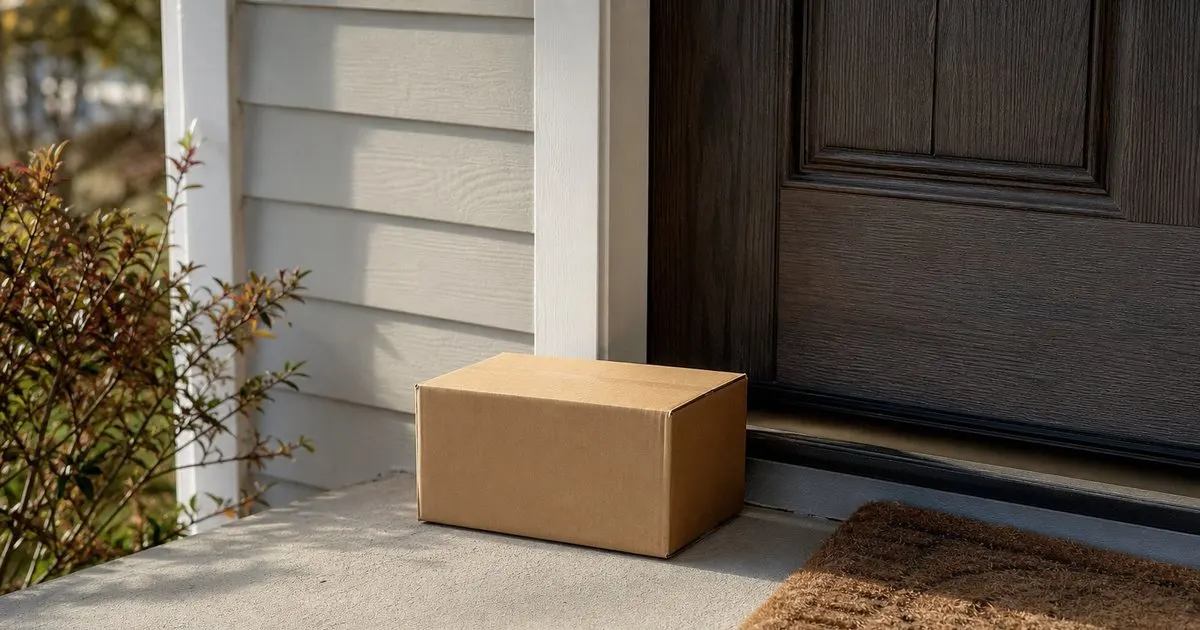
Why a delivery scan is not the end of the argument
From the issuing bank's side, a not-received dispute is a cardholder saying under their own name that the package never arrived, against a carrier scan that says it did. The scan proves that a driver marked the package delivered somewhere near the address, on a date. It does not by itself prove the package reached the cardholder. Banks weigh a few things on top of the scan: whether the delivery address matches the address the cardholder gave, whether it matches the card's billing address, whether there is a signature or a delivery photo, and whether the merchant communicated with the customer about the shipment. A bare scan against a firm denial is close to a coin flip; a scan plus address match plus photo is a strong case. Related: What Banks Look For in Evidence
It helps to know what the cardholder likely told their bank. Most not-received disputes are filed because the customer really did not get the package: it was left at the wrong door, taken from a porch, signed for by a building's front desk, or delivered to an old address the customer forgot to update. A smaller share are opportunistic. Your response does not need to accuse anyone. It needs to show that you shipped the right thing to the address you were given, that the carrier confirmed delivery there, and that you did what a reasonable seller does when a customer reports a problem. The bank decides who bears the loss; your job is to make the record complete. Related: Building a Strong Evidence Packet
Keep reading: Why Most Chargebacks Are Lost, Building a Strong Evidence Packet, Understanding Chargeback Reason Codes. See how DisputeLoom helps you chargeback evidence packager for stripe sellers.
Assembling the delivery evidence properly
Start with the shipment record: carrier name, tracking number, ship date, and the complete tracking history from label creation to final scan, not just the last line. Add the delivered-to address exactly as the carrier shows it and place it next to the address from the order and the billing address from the payment, so the analyst can see the match without hunting. If the carrier offers a delivery photo, GPS confirmation, or a signature, include it; these are the strongest items in the packet. Include the package weight from the carrier label alongside the order contents, which supports the claim that the right items were in the box. Stripe's evidence fields for shipping address, carrier, tracking number, ship date, and shipping documentation exist for exactly this material.
Then add the customer-facing record. The order confirmation email, the shipping confirmation with the tracking link, and any delivery notification your store sent all show the customer had the information needed to track the package. Include every message between you and the customer, in date order, especially anything sent before the dispute: a customer who asked when the order would ship and then went silent after delivery tells a different story than one who reported a missing package the day after the scan and got no reply. If the customer never contacted you before disputing, say so plainly in the text fields. Banks notice when a merchant was never given a chance to fix the problem. Related: How do you prove a subscriber actually used your software before disputing a renewal charge?
Talk to the customer before you decide how hard to fight
The fastest resolution is usually a conversation. Ask the customer to check with neighbors, the building's mailroom, or the carrier's local depot, and ask whether the carrier left a notice. Ask which address they expected delivery to; it is common for someone to have moved and left an old address saved in their account. A surprising number of packages surface within a day or two. If the customer finds it, ask them to contact their bank to withdraw the dispute, and keep that email. Do not stop preparing your response while you wait, though. Withdrawals take time to propagate and sometimes never do, and the Stripe deadline does not pause. Related: Meeting Dispute Deadlines
If the package was genuinely stolen after delivery, you have a business decision layered on top of the dispute. Card network rules generally treat delivery to the address the cardholder provided as the merchant fulfilling its side, but issuers still sometimes side with the cardholder when there is no signature or photo, and a customer who loses a package and gets no help is unlikely to return. Many sellers choose to send a replacement or partial credit for good customers on lower-value orders and fight only when the evidence is strong or the amount is significant. Whatever you choose, write the reasoning into the dispute response: 'We offered a replacement on the date shown; the customer did not respond.'
Shipping choices that change the outcome next time
The cheapest way to win not-received disputes is to make the delivery evidence stronger before the package leaves. Set a dollar threshold above which you require a signature; pick it based on your margin and how much a loss hurts, not a round number. Use carrier services that capture a delivery photo where available. Validate addresses at checkout and flag orders where the shipping address differs from the verified billing address, then decide whether to contact the customer or ship with a signature. Offer a hold-at-location or pickup option for customers in buildings with package theft problems. Insurance covers the loss but not the dispute fee, so it is a supplement, not a substitute.
Do not overcorrect. Requiring signatures on every order creates failed delivery attempts and complaints from customers who are at work all day, and that generates its own disputes. Aim the extra friction at the orders where a loss would matter. On the process side, make sure every shipment is linked to the Stripe payment and that your fulfillment system stores the full tracking history rather than just the number, because carrier tracking pages do not stay available forever. When a dispute arrives months later, you want to pull the complete record from your own system in seconds, not discover that the carrier has archived it.
- A delivery scan alone is weak; pair it with an address match to the checkout and billing address, plus a photo or signature when available.
- Present the full tracking history, the carrier's delivered-to address, and the package weight next to the order details so the match is obvious.
- Contact the customer and ask about neighbors, mailrooms, and old addresses, but keep building the response while you wait.
- Set a signature threshold based on margin, capture delivery photos where possible, and store complete tracking records in your own system.

Julien Jimenez
Julien Jimenez is an independent software builder based in Paris. He designs, ships, and operates focused SaaS products for small businesses and independent professionals. Read the full author page.
Fight chargebacks with a complete evidence packet
Chargeback evidence packager for Stripe sellers. DisputeLoom is built to help you put this into practice.
Build a responseMore from the DisputeLoom blog

Why Most Chargebacks Are Lost

Building a Strong Evidence Packet

Understanding Chargeback Reason Codes
Get the DisputeLoom playbook
Practical guides on chargeback defense, straight to your inbox as we publish them. No spam, unsubscribe any time.